1.0 What’s the problem?
As we start 2024, there is an expectation for the UK to experience colder, wetter and winder weather patterns over the coming weeks. These inclement weather conditions can increase risks to the health and safety of employees, contractors, and the public.
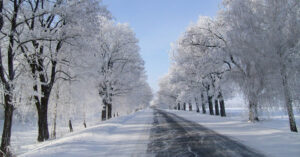
Slip, trip, and fall injuries increase ten-fold over the winter period due to icy and wet conditions (Health and Social Care Centre, 2018). Other hazards include the escape of water and floods due to frozen or blocked pipes, blocked guttering and drains, over the last five years such claims have cost UMAL £1.3 million annually. Alongside this, hazardous road conditions occur, with driving accidents increasing by 20% during the winter months (Box,2017).
2.0 Slips, trips and falls
Regular gritting should be carried out when frost, ice or snow is forecast, although grit doesn’t work instantly; it needs sufficient time to be effective, so spreading should be completed where walkways/roads are likely to be wet and temperatures of freezing or below freezing are expected. Where gritting cannot be completed or resources are limited, those routes most frequently used and those most likely to be impacted by ice and snow (including publicly accessible spaces) should be prioritised.
Several winter forecasting sites exist, and our members are encouraged to use these sources for early alerts, making it easier to allocate resources and identify the optimal times to grit.
3.0 Property
Poor weather conditions can put extra strain on property and increase the likelihood of building damage.
To avoid excessive snow loading, where possible canopies, guttering and other structures should be cleared of excessive build-up of snow/ice, ideally before it compresses and freezes causing additional strain on the structures and fixings. Don’t forget snow accumulations on roof spaces, these can impair or block ventilation, air handling units and drainage systems if not managed. For any wet systems (heating/sprinklers/water storage tanks), these should be protected if vulnerable from freezing, where this isn’t possible temporary isolations and drain downs should be considered. Building emergency plans should be refreshed to ensure key staff know the locations and how to access and operate the stopcocks/isolation points if leaks occur.
Staff and students should be reminded that for cold periods, portable heaters (especially direct convection heaters) should be avoided. If additional or spot heating is required, it should be supported by the member’s own safe systems of work.
4.0 Outdoor work/activities
Staff, including those gritting or clearing snow, should understand the health effects of cold weather (cold stress) and the increased vulnerability to manual injuries, strains, slips/falls etc. Suitable thermal and water resistance PPE should be provided in accordance with EN342/ 343, in addition to regular welfare breaks to warm up.
Poor weather could also impact Member events, these could be open days, campus tours etc. When planning any event around poor weather, the event risk assessments should identify any increased footprint, levels of staff to ensure visitors are adequately supervised, and resources to ensure footways, walkways and carparks are gritted/cleared where necessary.
5.0 Interruptions
Poor weather (even short periods) can have knock-on effects on the resilience of both suppliers and service providers. Member’s business continuity plans should help Members identify risk areas and build resilience for potential supply chain interruptions, staff and contractor shortages etc.
6.0 Driving
Driving in winter weather can be challenging, even for experienced drivers. Where staff and students do travel it is important to prepare vehicles and routes in advance, know the forecast for the journey as well as the return journey and consider how both breakdown and emergency responses will likely be impacted.
Remember even if other modes of transport are operational, Members should account for poor conditions, likely delays, and potential cancellations when planning journeys etc.